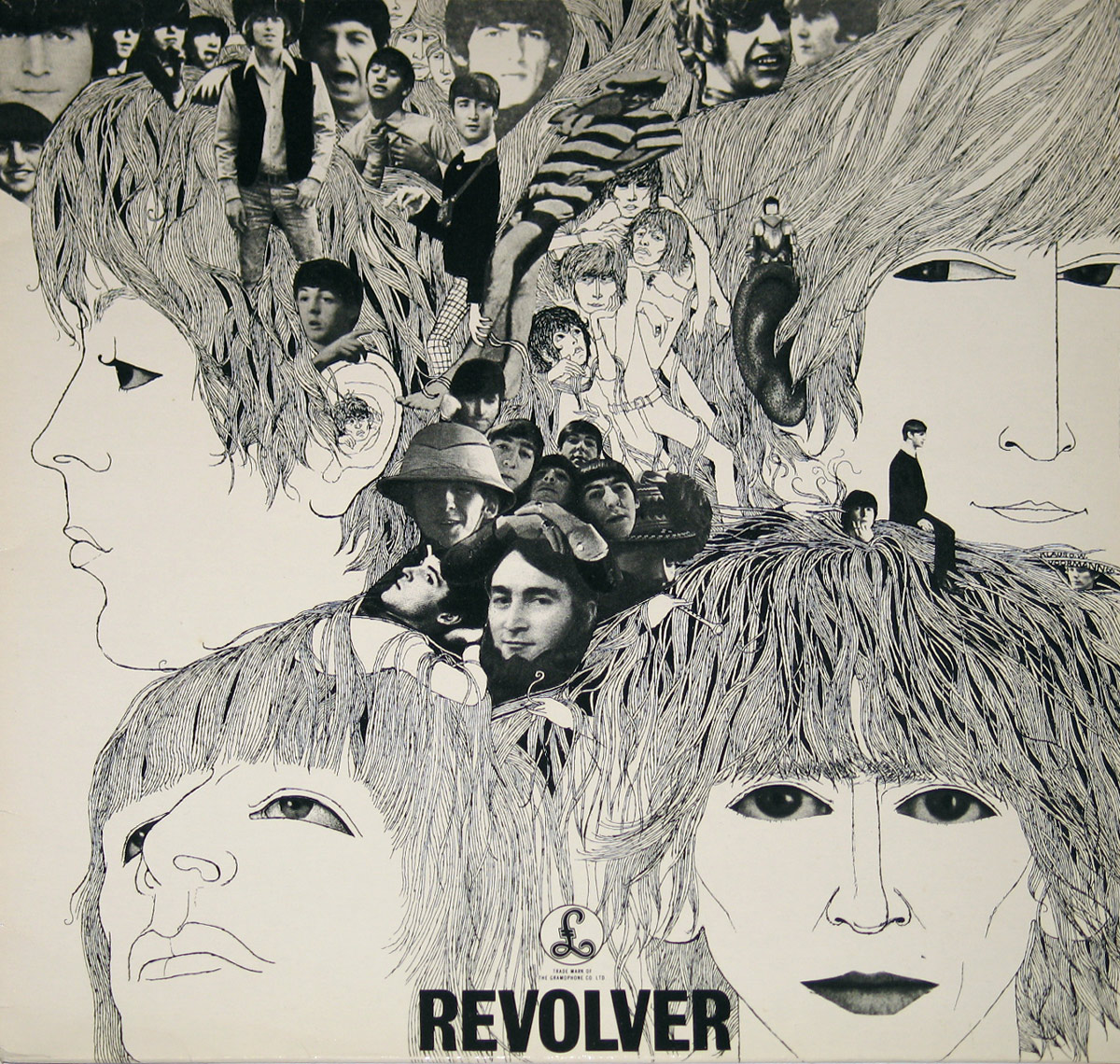
Revolver, recorded and released in 1966, was the seventh studio album created by the Beatles. It represented a massive change in the way music was produced and written, being extraordinarily experimental for the time. The most influential way the Beatles changed the music industry was by shifting the focus away from live performances, which were limiting in terms of instruments, composition, and the constant noise of screaming fans. Revolver marked a shift to a more studio-centered and production-focused approach to producing music, and it demonstrated the possibilities of studio production to fans and other musicians alike.
You may be wondering why this matters. Well, this matters because Revolver paved the way for music to include many different instruments, the blending of multiple audio tracks, and the popularization of studio effects like automatic double tracking. Previously, this technique had been done manually and involved a slew of flaws and inconsistencies. Additionally, the approach that the Beatles took with Revolver allowed for effects rarely before seen, including vocal compression, which before Revolver had only been done at minor levels if at all. These are all techniques commonly seen in almost all of today’s music, though today much of it is done digitally.
If it had not been for the Beatles’ Revolver proving to the industry that studio effects and heavily-modified songs can be commercially successful, we may not even have gotten the studio-based music of today. If it wasn’t for the Beatles—the most popular band of the time—doing this experimentation, we likely would’ve waited much longer for these techniques to catch on in the commercial market.